The Situation
This is a design-build custom home builder in Oregon with a small team and a strong reputation in their market. The owner is the kind of person who has more ideas than hours in the day; he knows what he wants to build, how he wants to market it, and what his brand should look and sound like. What he didn't have was a platform that let him execute any of it without fighting the tools.
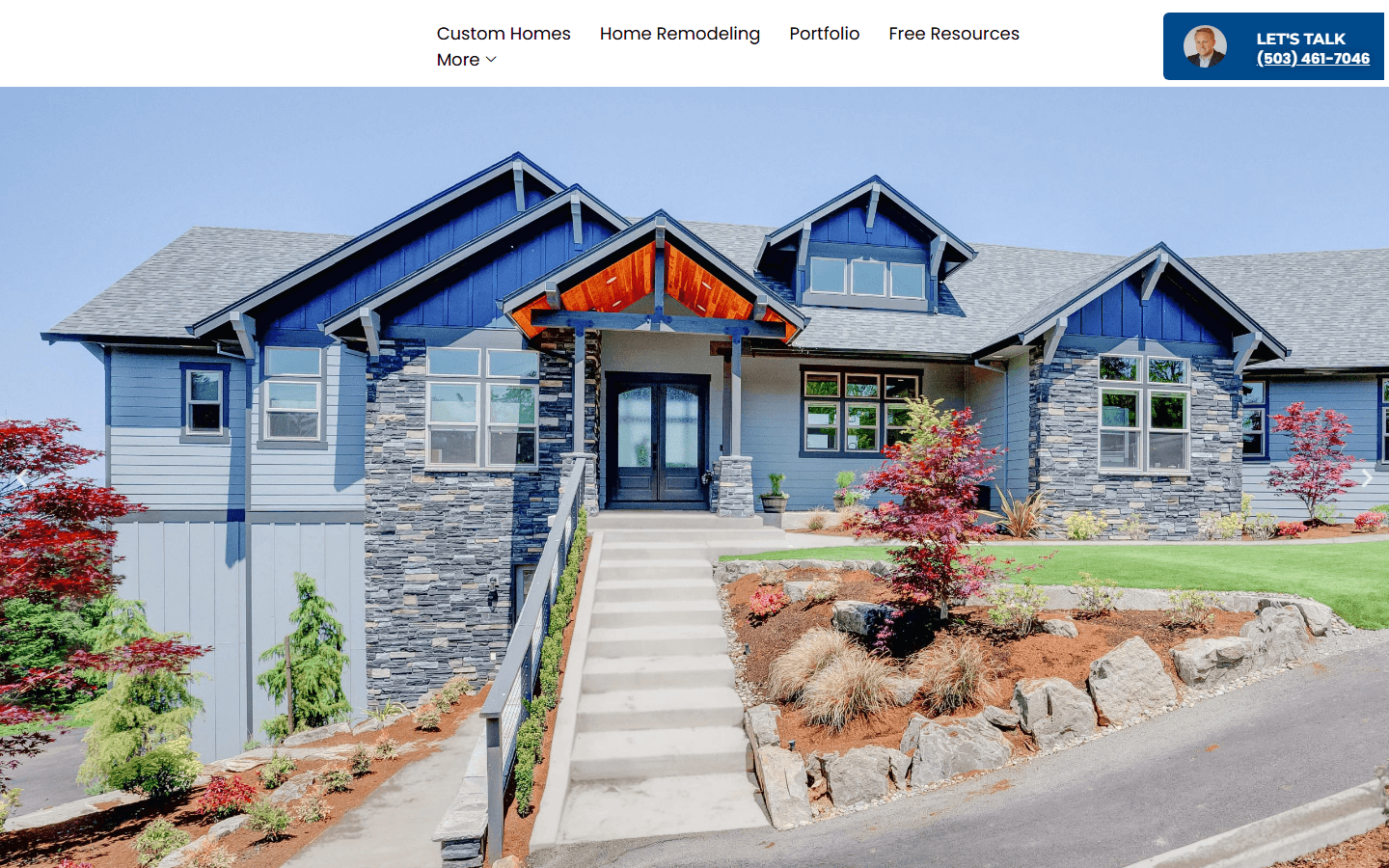
The website was on Wix. It had been built by an agency, handed off with a "good luck," and left in a state where the owner couldn't make meaningful changes to it. That might not be obvious from looking at a screenshot of the old site; it looks like a website. But Wix sites require you to work inside a proprietary drag-and-drop editor to make any change, and if you don't know that editor, you're stuck. Want to add a new page? You need to understand Wix's page builder. Want to update a blog post? You need to navigate their content manager. Want to change a form? You're in their form designer. Every single change requires learning a different tool inside a closed platform you don't own. For a small team without a dedicated web person, that means the site just doesn't get updated.
Beyond the surface-level frustration, there were deeper technical problems: canonicals weren't set correctly, there were dead URLs creating crawl issues, and the SEO foundation was riddled with errors that had been baked in from the start and never addressed.
The CRM was a separate mess. A previous agency had gone in and built out an enormous automation setup; we're talking something like 120 steps in an email automation sequence for a 5-person team. None of it had ever been turned on. The whole thing was just sitting there, untouched, adding complexity without delivering any value. Leads were coming in but there was no real pipeline, no structured follow-up, and no system connecting the marketing activity to the sales process.
What We Did
Website Migration
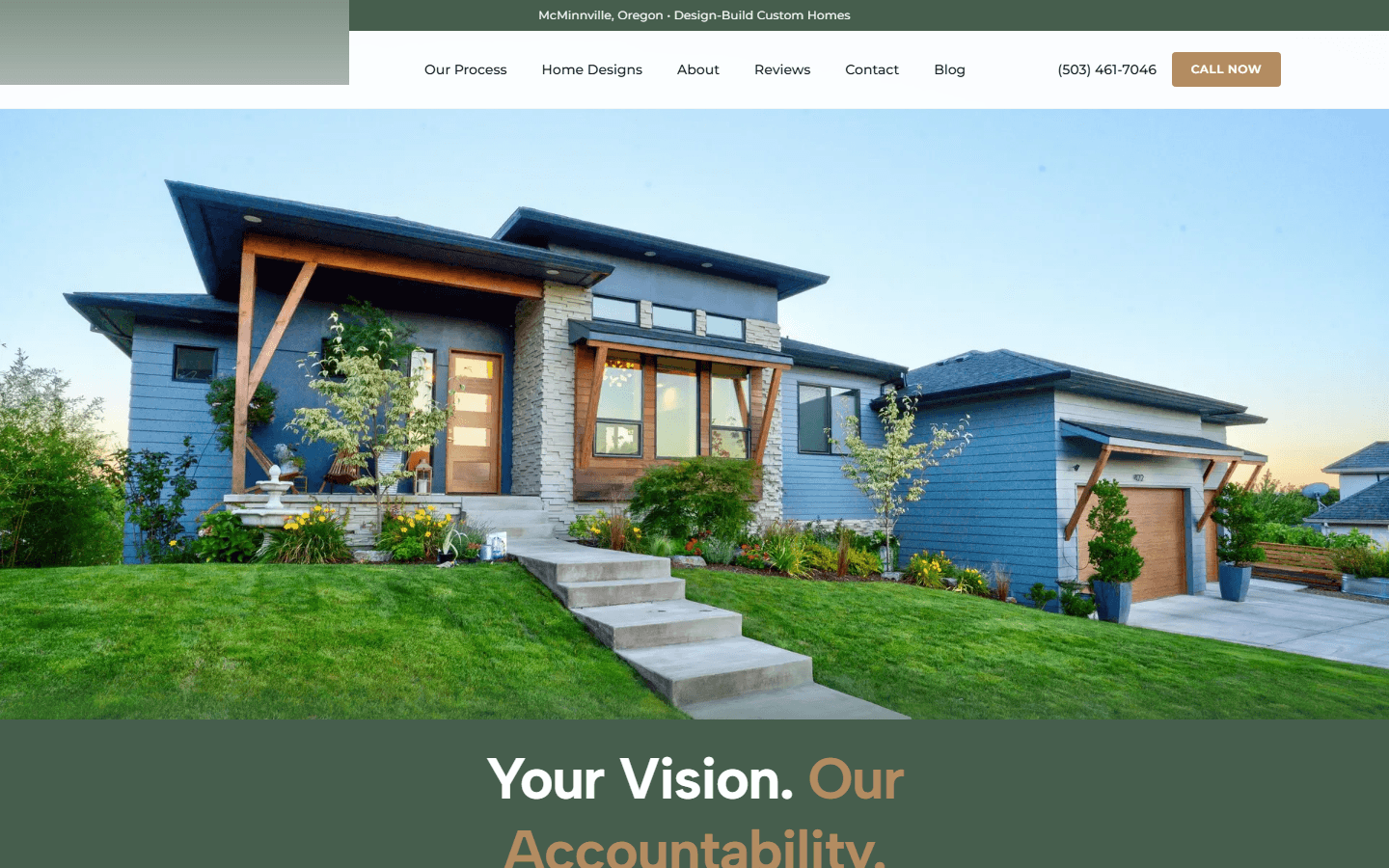
We migrated the entire site off Wix onto a modern React-based framework. Every page was rebuilt with clean code, proper responsive behavior, and a structure that actually works for search engines instead of fighting them. The canonical issues, dead URLs, and crawl errors from the old build were all resolved as part of the migration; the new site launched with a clean technical foundation rather than inheriting the old one's problems.
The real difference isn't what the site looks like; it's how it gets managed. On Wix, every change required the owner to open a proprietary editor, find the right tool inside that editor, figure out how to make the change without breaking the layout, and hope it rendered correctly. On the new platform, the owner describes what he wants in plain language, the AI builds the change, and he reviews a live preview before anything goes live. A new landing page, a blog post, a form update, a navigation change; it all works the same way. He tells the system what he needs, and the system handles the technical execution. The platform is his, the code is his, and the barrier between having an idea and publishing it is essentially gone.
AI Marketing Engine
This is where the engagement turned into something more than a typical migration. The owner had the vision and the creative instincts but didn't have a system that let him act on them at scale. We built one.
We uploaded his full brand style guide along with voice and tone recommendations from a separate consultant he'd worked with into the AI environment. That means when he sits down to create content, the system already understands how his brand sounds, what language to use, and how to maintain consistency across everything it produces. He uses this regularly now to create blog content, social posts, and one of the bigger wins has been geo-specific landing pages; regional content targeting specific markets that would have taken a traditional agency weeks to produce per page.
He trained on the AI tools and took to them immediately. The owner is now producing content at a pace that simply wasn't possible before, not because he lacked the ideas but because the tools between his brain and his website used to be the bottleneck. That bottleneck is gone.
CRM Audit and Overhaul
The CRM needed to be taken apart and rebuilt around what the team actually does. We used AI to audit the entire existing setup, map out what was configured versus what was being used, and build a roadmap for what the CRM should actually look like for a team this size. The 120-step automation that had never been turned on was a symptom of a broader problem: someone had built a system for a company that didn't exist yet, instead of the one that was actually there.
We sourced, hired, and managed a specialist through Upwork to execute the cleanup and reconfiguration at a fraction of what an agency would have charged for the same work. The result is a CRM that fits the team, with automations that are actually running and a pipeline that connects to the rest of the marketing stack.
Full-Stack Marketing Automation
After the core pieces were in place, we connected everything together through an AI agent that manages the full marketing stack: website, CRM, and Google Ads. The system runs autonomously in the background handling routine operations, and the owner can drop in at any time to check performance, ask questions about what's happening, or kick off new work.
The ad creation flow is where this really comes together. The owner decides he wants to run a new campaign. The system handles keyword research using integrated SEO tools, generates the ad copy, builds the landing page on the site, sets up conversion tracking, wires the lead flow into the CRM, and configures the bidding strategy. What used to require coordinating across an agency, a web developer, and a CRM admin now happens in a single conversation. The owner controls the strategy; the AI handles the execution across every platform.
The Outcome
| Before | After |
|---|---|
| Wix site the owner couldn't edit, built by an agency and abandoned | Modern site on a framework the owner manages through AI, producing content at scale |
| CRM with 120-step automations that had never been turned on | Right-sized CRM with working automations and a connected pipeline |
| No connection between ads, landing pages, and lead management | Full-stack AI agent managing ads, site, and CRM as one system |
| Creative owner bottlenecked by tools that couldn't keep up with his ideas | Owner producing geo-targeted pages, blog content, and ad campaigns on his own |
This engagement started as a website migration and turned into a complete reimagining of how a small team runs their marketing. The owner had the vision the entire time; what he needed was a platform that could keep up with it. The website, the CRM, the content pipeline, and the ad system all work together now as a single stack that he controls.
He's 100% self-sufficient. We check in because we enjoy the relationship, not because he needs us to keep the lights on. The tools are his, the content is his, the strategy is his. We just made sure the infrastructure matched the ambition.
The same approach reaches past marketing into sales, operations and the back office. The AI agent examples show it by business function, and working with an AI consultant covers how an engagement runs from the first audit to the handover.
Want to see what this looks like for your business?
30 minutes. I'll walk you through the live systems and we can talk about what makes sense for your situation.
Book a growth audit